Our Method for Common Pool Problems

At AquaGuard Pools, we address algae blooms, cloudy water, and equipment malfunctions as interconnected issues. Algae thrives when sanitizer levels drop, cloudiness often results from poor filtration or imbalanced chemistry, and breakdowns stem from wear or improper use. Our process begins with a thorough water analysis to measure pH, alkalinity, and sanitizer levels. Then we examine the filtration system and pump for signs of strain. By following a structured diagnostic framework, we help pool owners understand the root causes. This transparent, step-by-step method allows for informed decisions about cleaning, equipment adjustments, or replacement. We emphasize routine testing and maintenance as key tools, not as guarantees of perfect water, but as ways to reduce the likelihood of recurring problems.
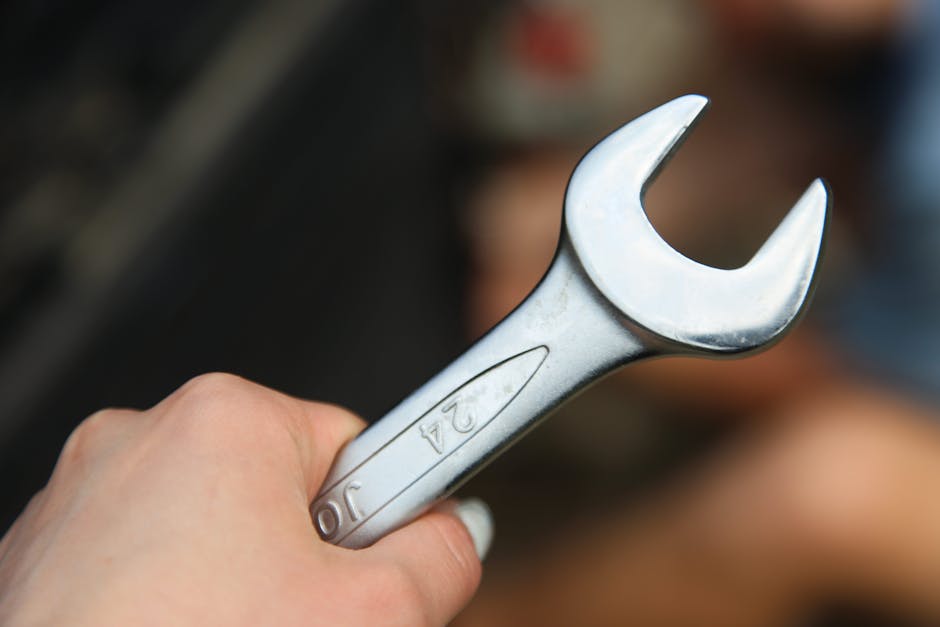
A hand holding a shiny metal wrench, ideal for repair and mechanic themed visuals.

Key Focus Areas for Pool Water and Equipment

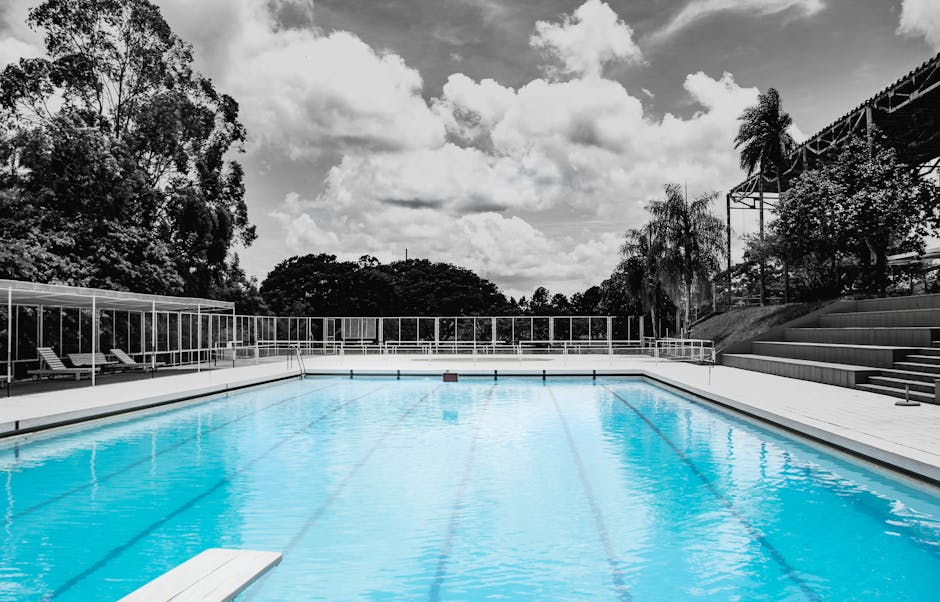
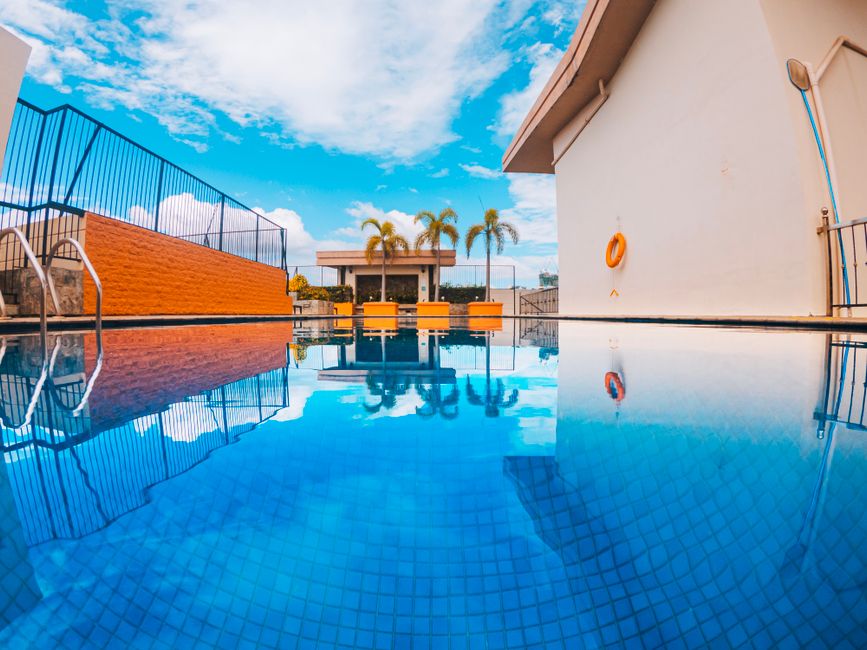
Stunning clear blue swimming pool reflecting palm trees and tropical sky.
  • Algae Identification

    Recognizing green, black, or mustard algae and the conditions that allow them to grow.

  • Cloudy Water Diagnosis

    Testing for causes like high calcium, poor filtration, or low clarifier levels.

  • Pump & Filter Checks

    Inspecting for clogs, leaks, or worn parts that reduce circulation efficiency.

  • Chemical Balance Steps

    Adjusting pH, alkalinity, and sanitizer based on test results to create stable water.

Structured Approach to Equipment Breakdowns

When a pump stops working or a filter leaks, the problem often ties back to water quality or usage patterns. AquaGuard Pools outlines a structured troubleshooting framework: first isolate the symptom (no flow, noise, leaking), then check power supply and connections, then inspect impellers, seals, and pressure gauges. We do not promise exact fixes, but we provide a logical sequence of checks that can identify common issues. This method reduces guesswork and helps pool owners decide when to call a professional. We also cover preventive practices like winterizing and regular cleaning that may extend equipment life, though results depend on many factors.

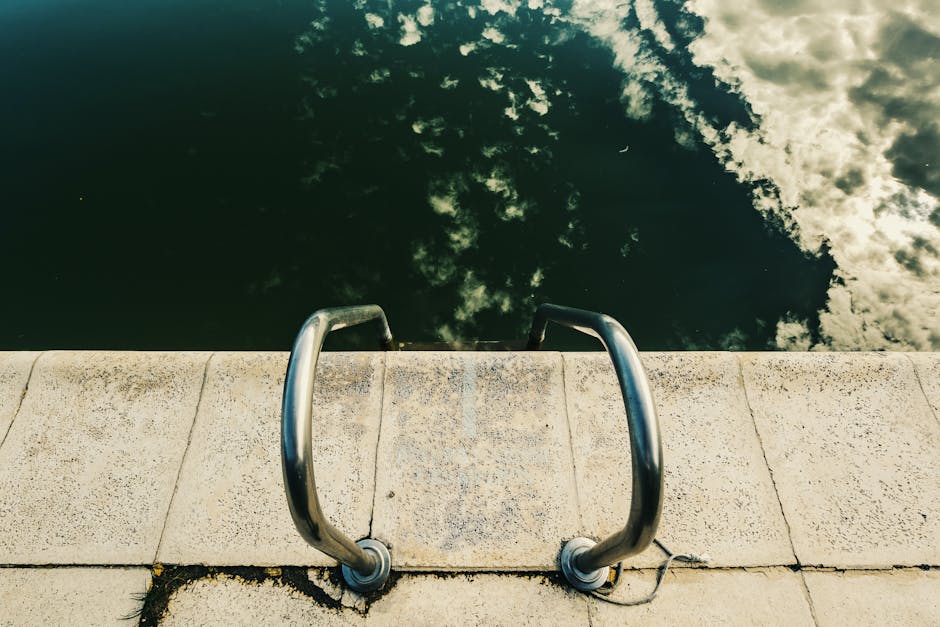
Stainless steel pool ladder with cloud reflections in Mar del Plata, Argentina

Why Water Testing Matters for Algae and Clarity

Regular water testing is a central practice in managing algae and cloudiness. Testing kits measure free chlorine, pH, total alkalinity, and cyanuric acid. High pH can reduce chlorine effectiveness, allowing algae to start. Low alkalinity makes pH unstable. Cloudy water often happens when calcium hardness or dissolved solids are out of range. By tracking these numbers weekly, pool owners can adjust chemicals before visible problems occur. Testing is a tool, not a cure—other factors like weather and bather load also play a role.

Frequently Asked Questions About Pool Problems

  • What causes green algae in a pool?
    Green algae usually appears when sanitizer levels drop low enough for spores to grow. Poor circulation and warm weather also contribute.
  • How can I fix cloudy water without draining?
    Start by testing and balancing pH and alkalinity. Then run the filter continuously and consider a clarifier. It may take several days.
  • Why does my pump lose prime?
    Common causes include air leaks in suction lines, low water level, or a clogged skimmer basket. Checking these often resolves the issue.
  • How often should I replace the filter cartridge?
    It depends on usage and water conditions. A general suggestion is every 1–2 seasons, but inspect for tears or heavy buildup regularly.
  • Can algae come back after treatment?
    Algae spores are always present. Without consistent sanitizer levels and good circulation, regrowth is possible. Regular maintenance reduces the chance.

Preventive Practices for Long-Term Pool Health

Prevention involves a combination of routine testing, scheduled filter cleaning, and seasonal equipment checks. AquaGuard Pools recommends a weekly test of water chemistry, a monthly inspection of pump strainer baskets and filter pressure gauges, and an annual check of seals and o-rings. These practices do not ensure problem-free pools, but they create a baseline for early detection. For example, a slow rise in pressure may indicate a filter that needs backwashing before it reduces flow. We provide these guidelines as informational frameworks—each pool has unique variables that affect performance.

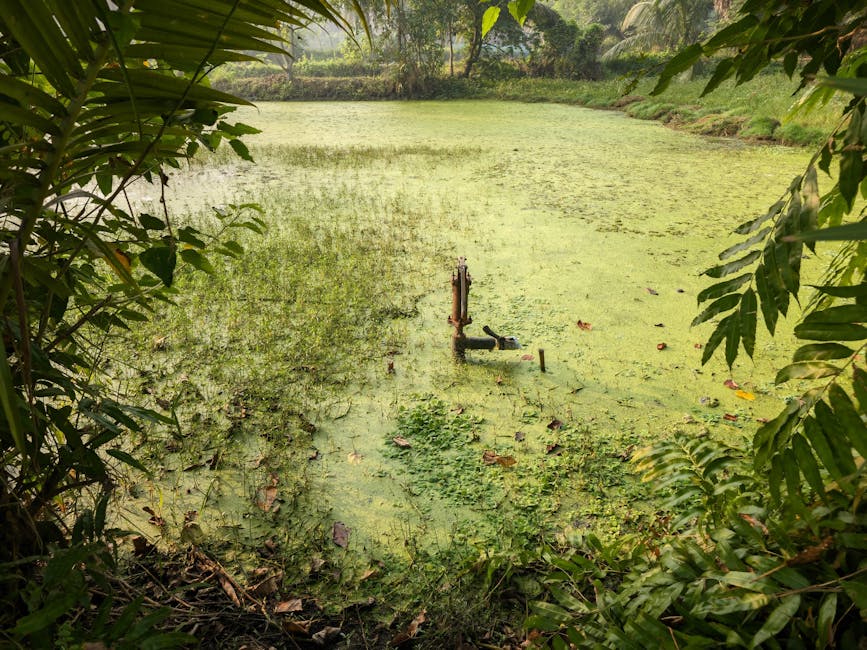
Tranquil pond with lush surroundings and water pump in a forest setting, perfect for nature and calm environment themes.
AquaGuard Pools offers informational resources for pool owners facing algae, cloudy water, and equipment concerns. Focused on structured, transparent methods.
💧 AquaGuard Pools
1234 W Camelback Rd, Phoenix, AZ
Privacy Policy

© 2026 AquaGuard Pools. All rights reserved.

Terms of Use

We use cookies

We use cookies to ensure the proper functioning of the website, analyze traffic, and improve your experience. You can accept all cookies or reject them — the site will continue to operate. For more details, read our Cookie Policy.